Are you curious about where the real estate market is headed? With so many changes happening right now, it’s crucial to stay informed.
Understanding real estate trends can save you time, money, and stress, whether you’re buying, selling, or investing. Imagine making decisions backed by insights that give you a competitive edge. Picture yourself confidently navigating the market, armed with knowledge that others might overlook.
This isn’t just about property; it’s about harnessing opportunities that align with your goals. Dive into this article to uncover the latest trends shaping the real estate landscape and learn how you can make them work for you.
Global Market Shifts
The global real estate market is undergoing significant changes. Various factors drive these shifts. They influence property values and investment opportunities worldwide. Understanding these trends is crucial for investors and homeowners. By exploring emerging economies and geopolitical impacts, we gain insights into the future of real estate.
Emerging Economies
Emerging economies are transforming the real estate landscape. Rapid urbanization fuels demand for housing and commercial spaces. Countries like India and Brazil see increased construction. Infrastructure developments attract foreign investments. As these markets grow, they offer new opportunities. Investors find potential in residential and commercial sectors. Rising middle classes boost demand for better housing. This growth changes the dynamics of the real estate market.
Impact Of Geopolitical Events
Geopolitical events shape the real estate market globally. Conflicts and political shifts affect property values. Economic sanctions can slow growth. Trade agreements might open new markets. Political stability often leads to increased investments. Investors watch global news closely. Changes in leadership impact market confidence. Migration patterns influence housing demand. Understanding these factors helps navigate market uncertainties.
Technology And Real Estate
In today’s fast-paced world, technology is reshaping the real estate market in ways we never imagined. From smart home integrations to AI-driven analytics, the fusion of technology and real estate is driving efficiency and innovation. As a homeowner or investor, understanding these tech-driven trends can give you a competitive edge.
Role Of Proptech
PropTech, short for Property Technology, is transforming how properties are bought, sold, and managed. It includes tools and platforms that streamline processes, making them faster and more transparent. For instance, online platforms now allow you to list, search, and even bid on properties from your smartphone.
Imagine being able to evaluate properties with just a few clicks. PropTech also offers data-driven insights, helping you make informed decisions. Whether you’re a first-time buyer or a seasoned investor, these tools can simplify your journey.
Have you ever used an app to find a home? These innovations are not just about convenience; they’re about empowering you with information. The real question is, are you leveraging these technologies to your advantage?
Virtual Reality In Property Tours
Virtual Reality (VR) is revolutionizing property tours, offering immersive experiences without stepping foot on the property. Gone are the days of scheduling multiple visits to view homes. With VR, you can explore properties at your own pace, from the comfort of your home.
This technology not only saves time but also widens your options. You can tour homes across different cities or even countries, opening up a world of possibilities. It’s especially beneficial for international buyers who can’t visit in person.
Have you ever experienced a VR tour? It’s like walking through a house while sitting on your couch. As more real estate agents adopt this technology, the way you view properties is set to change forever.
Technology in real estate isn’t a trend, it’s a transformation. By staying informed, you can navigate the market with confidence and creativity. How will you use these advancements to enhance your real estate journey?
Sustainability In Real Estate
The real estate industry is embracing sustainability. This shift is driven by the increasing awareness of environmental concerns. Developers and investors are more conscious of their impact on the planet. Sustainable practices are becoming a priority in new projects. This focus on sustainability is shaping the future of real estate. Eco-friendly designs and energy-efficient solutions are now at the forefront.
Green Building Trends
Green building trends are gaining traction in real estate. These trends include the use of sustainable materials. Recycled materials are popular choices for construction. Another trend is incorporating natural light. Buildings with large windows minimize artificial lighting needs. Green roofs are also becoming common. They help reduce energy costs and improve air quality.
Energy Efficiency Innovations
Energy efficiency is a key aspect of sustainable real estate. Innovative technologies are making buildings more energy-efficient. Smart thermostats allow better control of heating and cooling. LED lighting is now widely used for its energy-saving benefits. Solar panels are also gaining popularity. They provide renewable energy and reduce reliance on the grid.

Urbanization And Housing Demand
Urbanization drives the demand for housing, shaping real estate market trends. Cities grow, increasing the need for affordable homes. Developers respond, adjusting strategies to meet diverse needs and preferences.
Urbanization has become a dominant force shaping the real estate landscape today. As more people move to cities, the demand for housing continues to rise. Whether you’re a potential homeowner or an investor, understanding urbanization and housing demand is crucial.Rise Of Smart Cities
Imagine waking up in a city where everything is connected. Smart cities are transforming urban living by integrating technology into infrastructure. These cities offer efficient public transport, energy-saving buildings, and digital services. Many cities are adopting smart technologies to improve living standards. This trend is increasing housing demand in tech-friendly areas. Keep an eye on cities investing in smart solutions—they might be your next big opportunity.Affordable Housing Solutions
With urbanization, affordable housing is becoming a priority. High demand often leads to soaring prices, pushing many out of the market. Communities are seeking innovative solutions to ensure everyone has a place to call home. Governments and developers are working together to create affordable housing projects. Initiatives like modular homes and co-living spaces are gaining popularity. Have you considered how these options might fit into your future plans? Urbanization is reshaping the real estate market, and staying informed is key. How will these changes affect your real estate decisions?Investment Strategies
Exploring real estate market trends offers valuable insights for smart investment strategies. Understanding demand patterns can guide profitable decisions. Stay informed about regional growth to better anticipate shifts.
Investment in real estate is a compelling strategy for building wealth and ensuring financial stability. As the market evolves, smart investors continuously adapt their tactics to stay ahead. Whether you’re a seasoned investor or just starting out, understanding the latest investment strategies can give you a significant edge.Diversification Tactics
Diversification is a key strategy in reducing risk and maximizing returns. You might have heard the saying, “Don’t put all your eggs in one basket.” The same principle applies to real estate. Consider spreading your investments across different property types like residential, commercial, and industrial. This approach helps cushion the impact if one sector faces a downturn. For instance, if the commercial property market slows, residential properties might still provide steady rental income. Investing in different geographical locations can also protect you against local market slumps. Another diversification tactic is to include real estate investment trusts (REITs) in your portfolio. These allow you to invest in real estate without owning physical property. They offer liquidity and often pay dividends, providing a steady income stream.Risk Management Approaches
Managing risk is crucial to successful real estate investing. One effective approach is thorough market research before making any purchase. Analyze trends, property values, and economic indicators to make informed decisions. This practice can prevent costly mistakes and enhance your investment’s profitability. Another approach is to maintain a healthy cash reserve. Unexpected expenses can arise, such as repairs or vacancy periods, and having a financial cushion can save you from scrambling for funds. Consider leveraging properties cautiously. While borrowing can amplify your returns, it also increases your risk. Ensure your debt levels are manageable and that you can cover loan payments even during tough times. Have you considered the benefits of partnering with experienced investors? They can offer valuable insights and share risks, making the investment journey less daunting. Ultimately, your investment strategies should align with your financial goals and risk tolerance. Are you ready to refine your approach and make the most of the dynamic real estate market?
Influence Of Interest Rates
The real estate market is like a living organism, constantly adapting to various external factors. One of the most significant influences on this dynamic market is interest rates. These rates directly affect your ability to buy or sell property, making them a crucial element for anyone involved in real estate. Understanding how interest rates impact the market can help you make informed decisions and seize opportunities.
Mortgage Rate Fluctuations
Mortgage rates are the heartbeat of the real estate market. They determine how much you will pay for your home in the long run. A slight change in these rates can drastically alter monthly payments, which in turn affects your budget.
Imagine you’re planning to buy your dream home. You find the perfect place, but then mortgage rates rise unexpectedly. Suddenly, your once affordable property seems out of reach. It’s essential to keep an eye on these fluctuations to ensure you don’t miss out.
How do you stay ahead? Regularly check mortgage rate updates from reliable sources. This proactive approach can help you time your purchase or refinance effectively.
Impact On Property Prices
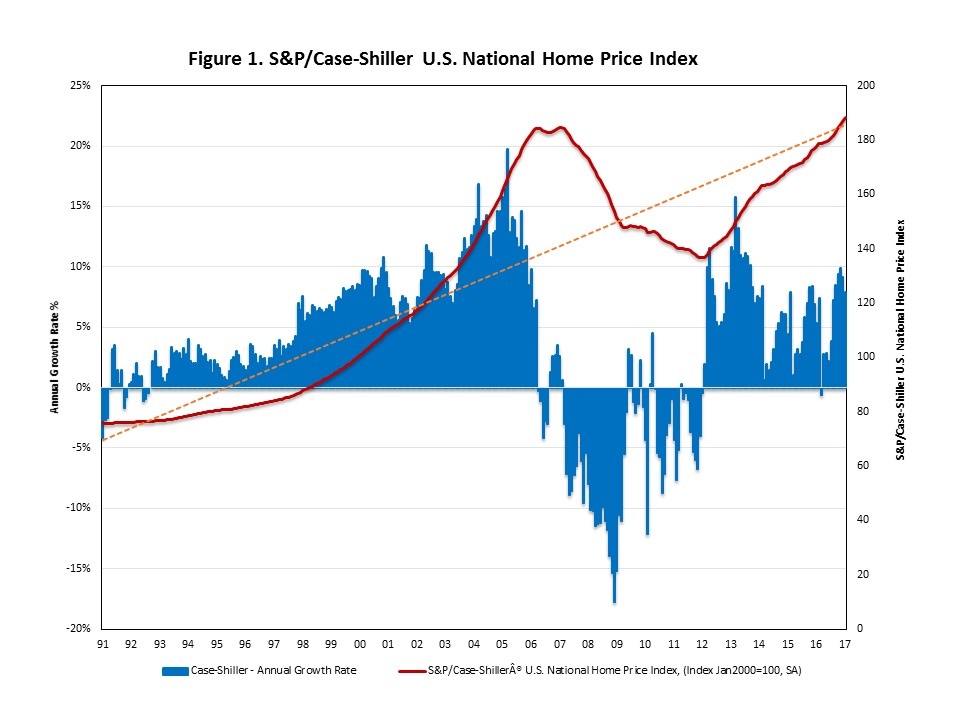
Interest rates don’t just influence mortgage payments; they also have a significant effect on property prices. When rates are low, more people can afford to borrow, increasing demand for homes. This heightened demand often drives prices up.
Conversely, higher interest rates can cool down the market. With fewer buyers able to afford loans, sellers may lower prices to attract potential buyers. This can be an excellent opportunity if you’re looking to invest in real estate.
Have you ever wondered why property prices seem to soar in certain periods? Look closer at interest rate trends during these times. Understanding this relationship can help you anticipate market shifts and plan your next move.
To make the most out of your real estate ventures, consider how interest rates align with your financial goals. Are you prepared to act when the rates favor your plans? It’s crucial to align your strategy with these market trends to maximize your investment potential.
Demographic Changes
Demographic changes are shaping the real estate market in profound ways. These shifts influence where people live, what homes they buy, and how they invest. Understanding these changes can guide both buyers and sellers.
Millennials And Home Buying
Millennials are now the largest group of home buyers. Their preferences are changing the housing landscape. Many prefer urban areas with good public transport. They seek homes with modern amenities and energy efficiency. This group values community and convenience over large properties.
Their financial challenges are unique. Student loan debt affects their buying power. Many delay purchasing homes due to financial constraints. Despite this, millennials are a driving force in the market.
Aging Population Effects
The aging population impacts real estate significantly. Older adults prefer downsizing to smaller, manageable homes. Many seek properties with accessibility features. Single-story homes or apartments with elevators attract them.
Retirement communities are growing in demand. These offer social activities and healthcare facilities. The need for such housing types is rising as the population ages. Developers and investors are focusing more on senior-friendly housing.
Regulatory Environment
The real estate market is shaped by many factors. The regulatory environment plays a crucial role in its evolution. Changes in laws and policies can impact property values, investments, and development opportunities. Understanding the regulatory landscape helps investors and buyers make informed decisions. This section explores key aspects of the regulatory environment that affect the real estate market.
Zoning Law Adjustments
Zoning laws dictate land use and building types in specific areas. Adjustments to these laws can influence property development and neighborhood dynamics. Cities may change zoning rules to encourage growth or preserve historical areas. Developers must understand these changes to plan projects effectively. Zoning adjustments can create new opportunities or limit possibilities.
Tax Incentives And Implications
Governments offer tax incentives to stimulate real estate investment. These incentives can include tax breaks for first-time buyers or reduced rates for developers. Understanding these benefits can save money and boost investment returns. But, tax incentives can also have broader implications. They may affect market stability or lead to increased competition. It’s vital to weigh the pros and cons of these incentives.
Remote Work And Real Estate
The rise of remote work is reshaping the real estate market. As more people work from home, housing needs are evolving rapidly. Homebuyers now prioritize features that enhance productivity and comfort in their living spaces.
Demand For Home Offices
Remote work has sparked a notable shift in housing preferences. Many buyers are seeking homes with dedicated office spaces. This trend is not just about having a spare room; it’s about creating a functional workspace.
Homeowners are investing in ergonomic furniture, high-speed internet, and soundproofing. Have you considered how your work-from-home setup might impact your real estate decisions? A well-equipped office can boost productivity and satisfaction.
Suburban Growth Trends
The appeal of suburban areas is stronger than ever. With remote work, commuting is less of a concern, prompting many to move away from crowded cities. Suburbs offer larger homes, yards, and a quieter environment.
Suburban communities are seeing an increase in demand, driving up property values. If you’re looking for space and tranquility, the suburbs might be your ideal choice. How does the balance between work and lifestyle affect your decision to move?
As you explore the real estate market, consider how remote work influences your priorities. A home that supports your professional needs can be a game-changer in your daily life. Are you ready to rethink your living space in light of these trends?
Frequently Asked Questions
What Are The Latest Real Estate Market Trends?
The latest trends include a rise in remote work, impacting housing demands. Suburban and rural areas are gaining popularity. Low mortgage rates are driving home purchases. Technology adoption, like virtual tours, is increasing. Sustainability is also becoming a key focus in new developments.
These trends are reshaping how people buy and sell homes.
Why Are Housing Prices Increasing?
Housing prices are increasing due to low inventory and high demand. Supply chain disruptions are causing construction delays. Low mortgage rates encourage buyers to enter the market. Urban-to-suburban migration is also influencing prices. This increase in demand and limited supply is causing prices to rise rapidly.
How Is Technology Impacting Real Estate?
Technology is revolutionizing real estate with virtual tours and online platforms. Buyers can explore homes remotely, saving time. Digital tools streamline transactions and paperwork. Smart home technologies are enhancing property values. Blockchain offers secure, transparent transactions. Technology is making the real estate process more efficient and accessible for everyone.
What Is The Future Of Commercial Real Estate?
The future of commercial real estate is adapting to new work habits. Flexible workspaces and hybrid models are in demand. Retail spaces are transforming to accommodate experiential shopping. Sustainability is a growing focus in commercial developments. Technology integration is crucial for future growth.
These factors will shape commercial real estate’s evolution.
Conclusion
The real estate market constantly changes. Awareness of trends helps make informed decisions. Whether buying, selling, or investing, knowledge is key. Stay updated with market news. Check reliable sources for the latest information. Keep an eye on interest rates and housing demands.
These factors influence prices and opportunities. Remember, timing plays a crucial role in real estate success. Analyze data before taking action. Understanding market dynamics can lead to better choices. Stay proactive and adapt to shifts. This approach ensures smart moves in the real estate world.